


Getting Ready for a Successful Wash
Before any pressure‑washing job, a thorough property inspection is essential. Walk the exterior to identify siding material, cracked paint, loose trim, or hidden rot; this lets the crew select the right PSI, nozzle, and cleaning method while avoiding accidental damage. Next, protect landscaping and fixtures by covering plants, garden beds, and outdoor furniture with breathable tarps and waterproof sheeting; pre‑wetting vegetation reduces chemical absorption and prevents runoff from harming nearby native species. Choose biodegradable, EPA‑approved detergents that break down mold, mildew, and salty‑sea‑air residue without polluting the Pacific watershed—these eco‑friendly solutions are especially important in Santa Barbara County, where strict water‑conservation ordinances and marine‑life protection rules apply. Finally, factor in the local Mediterranean climate: mild temperatures, coastal fog, and salty breezes accelerate algae and corrosion, so schedule washing on a dry, sunny day and allow 24–48 hours for surfaces to dry before repainting or sealing. Proper prep safeguards the home, preserves curb appeal, and maximizes the longevity of any new coating.
Step‑by‑Step Prep for Homeowners Using an Electric Pressure Washer
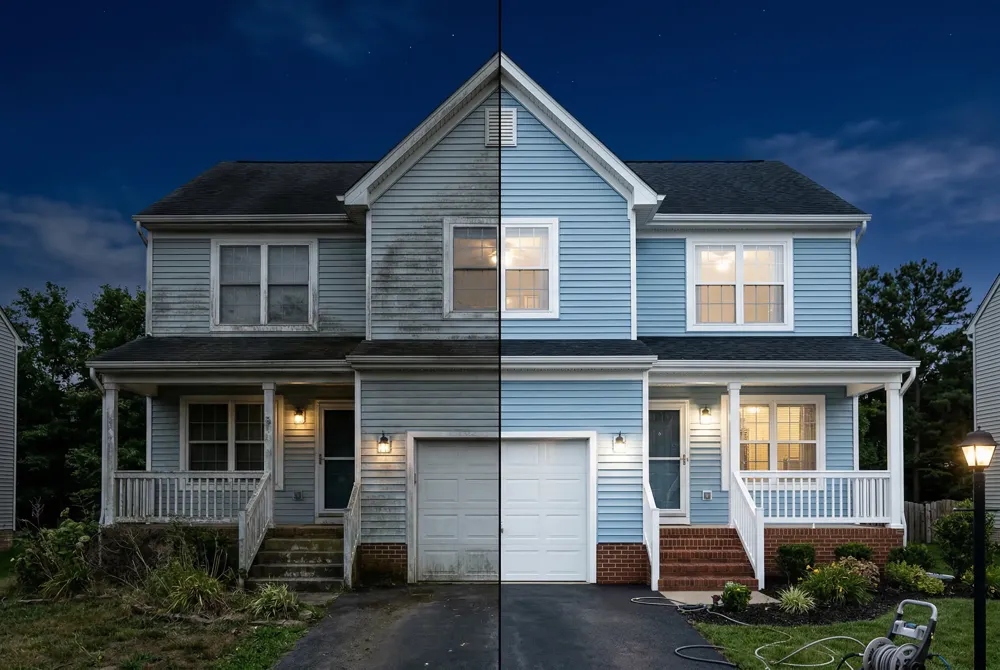
Preparing your home before you fire up an electric pressure washer is essential for a safe, effective clean and to protect the property’s value.
1. Clear the work area – Move outdoor furniture, grills, toys, and potted plants away from the walls you’ll clean. Sweep away loose debris such as leaves, mulch, or small rocks to prevent clogging the pump and to avoid accidental damage to the washer nozzle.
2. Cover delicate fixtures – Use plastic sheeting or breathable tarps to shield light fixtures, electrical outlets, HVAC units, and any nearby landscaping. Secure the covers with tape or clamps so water spray cannot reach sensitive components.
3. Inspect and repair surfaces – Walk the exterior and look for cracked siding, loose paint, damaged trim, or rot. Repair or seal these issues before washing; otherwise water can infiltrate and cause future moisture‑related failures.
4. Pre‑treat stains with biodegradable cleaners – Apply an eco‑friendly degreaser or mildew‑killing solution to oil spots, algae, or chalky paint residue. Let the cleaner dwell for 5‑10 minutes (never letting it dry) to break down grime while protecting nearby plants from harsh chemicals.
5. Test pressure and nozzle – Run the washer on a small, hidden section of each material type. Start with the widest nozzle (25°‑40°) and a low PSI (around 1,200 psi for vinyl or wood siding). Adjust the distance (12‑18 inches) and pressure until the spray removes dirt without etching the surface.
6. Use a garden‑level spray for delicate spots – Keep a garden hose and a low‑pressure spray nozzle handy for rinsing areas that require a gentler touch, such as painted trim or soft wood. A garden‑level spray allows you to finish the job without risking over‑pressurizing vulnerable spots.
Following these steps ensures a thorough clean, maximizes paint adhesion for future projects, and keeps your home’s curb appeal—and value—intact.
Ensuring the Surface Is Ready for Coating
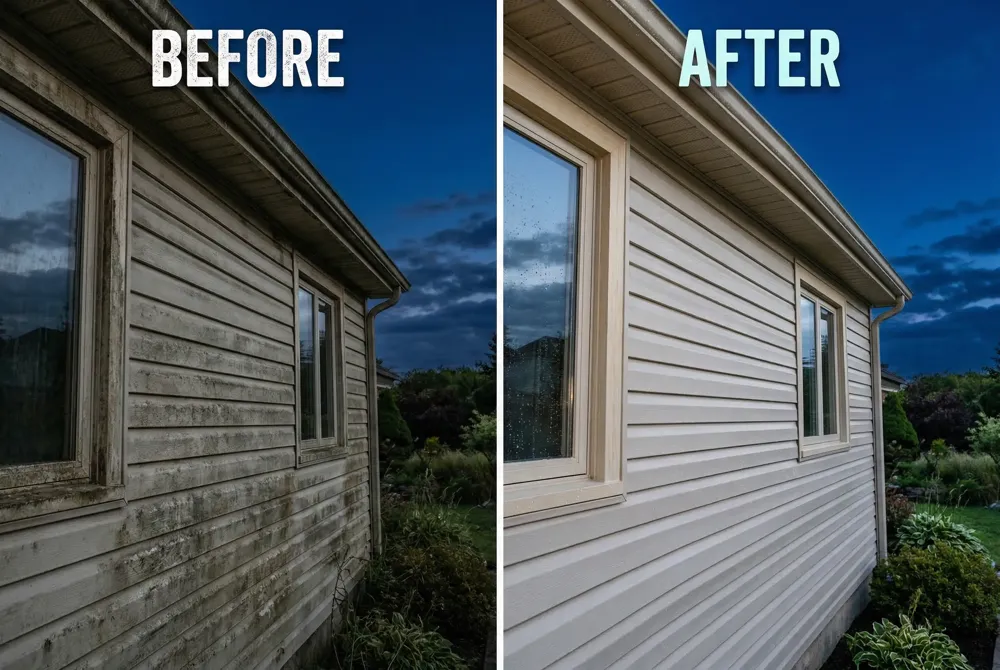
Preparing an exterior surface before painting, staining, or sealing is the most critical step to guarantee long‑lasting results. Property owners in Santa Barbara County benefit from a systematic approach that blends professional expertise with eco‑friendly practices.
Assessing condition and removing loose material – Begin with a thorough inspection to spot cracked paint, mold, mildew, or damaged siding. Any loose material must be stripped away; this prevents it from becoming a failure point under the new coating.
Stripping old paint or sealant – When legacy paint is flaking or chalky, use a low‑pressure soft‑wash or a controlled power‑wash with biodegradable detergents to remove it without harming delicate substrates such as stucco or wood.
Cleaning contaminants – Pressure washing eliminates dirt, oil, algae, and salt‑crust buildup that can inhibit adhesion. After washing, allow the surface to dry completely (24–48 hours) to avoid moisture‑related issues.
Repairing damaged areas – Fill cracks, replace rotted wood, and seal gaps before any coating is applied. Proper repairs protect the substrate and extend the life of the finish.
Profiling the surface (sand or blast) – For metal or concrete, create a suitable surface profile (CSP) using hand sanding, power‑tool abrasion, or abrasive blasting (SPC‑SP5/NACE 1 for near‑white). This “key” improves paint grip.
Applying primer or sealant – Depending on the material, a compatible primer or sealant may be required to promote adhesion and resist the salty, humid coastal climate.
Removing abrasive dust before final coating – Vacuum or sweep away sanding or blasting dust, then wipe with a tack cloth to ensure a clean, dust‑free surface before the final coat.
Answer to the key question
How do you prepare the surface to make sure it is suitable?
1️⃣ Assess condition – look for loose paint, cracks, or mold. 2️⃣ Remove existing coatings – strip old paint or sealant if flaking. 3️⃣ Clean contaminants – wash away dust, oil, and mildew. 4️⃣ Repair damaged areas – patch cracks or replace rotted wood. 5️⃣ Profile the surface – sand or blast to create a key for new coating. 6️⃣ Adjust chemistry – apply a primer or sealant if required. 7️⃣ Remove abrasive dust – vacuum or sweep before final coating.
Following these steps, especially with professional pressure‑washing services that use low‑flow equipment and EPA‑approved detergents, ensures a durable, high‑quality finish while preserving curb appeal and property value in Santa Barbara’s coastal environment.
Cleaning Tools: When to Use a Surface Cleaner
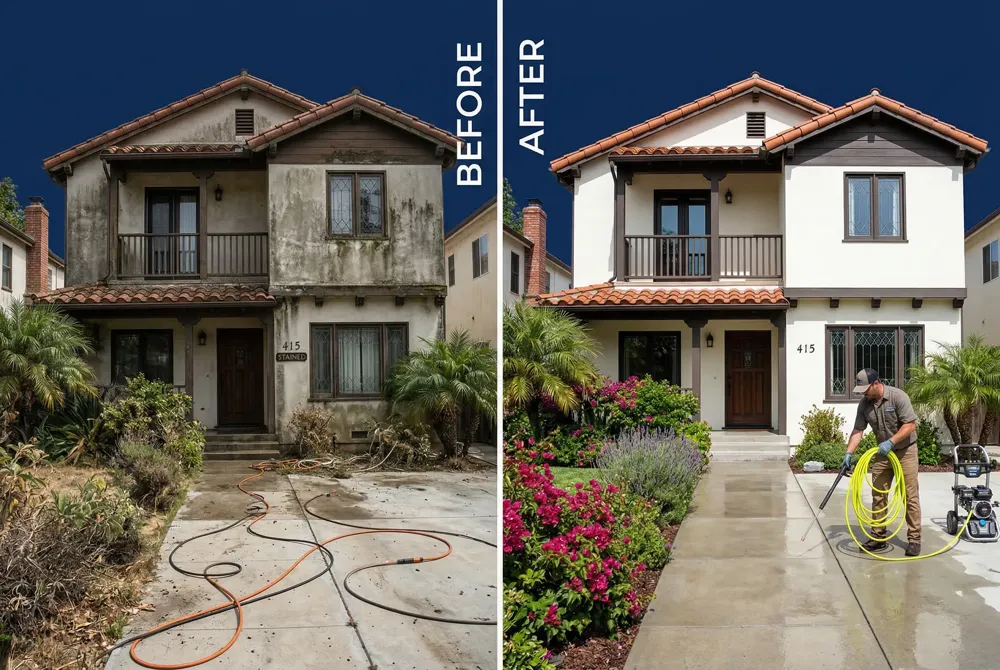
Pressure washing can be done with plain water, but the results are often limited when dealing with stubborn stains, mold, algae, or oily residue typical of Santa Barbara’s salty, fog‑laden climate. A surface‑cleaning attachment combined with a biodegradable detergent works by loosening grime and killing microbes, allowing the washer to make fewer passes. This reduces water consumption, lowers equipment wear, and prevents over‑exposure of delicate siding, stucco, or wood to high‑pressure streams.
Plain water is suitable for light dusting or occasional rinses, yet it does not break down chalky paint residue or salt‑crust buildup that can cause paint adhesion problems. Biodegradable detergents meet California’s strict environmental regulations, protecting nearby landscaping and the Pacific watershed while still delivering a deep clean.
In coastal environments, soft‑wash solutions are especially valuable because they use low‑pressure water to protect paint, shingles, and historic surfaces from surface erosion. Goleta Home Services adopts this approach, applying eco‑friendly soft‑wash detergents that are safe for plants and pets, then allowing the surface to dry completely (24‑48 hours) before any repainting or sealing.
In short, you can pressure wash without a surface cleaner for very light jobs, but for regular maintenance, mold removal, or salt‑induced staining, a surface‑cleaner with biodegradable detergent is the most efficient, eco‑friendly, and surface‑preserving method.
Cost, Techniques, and Common Questions About Pressure Washing
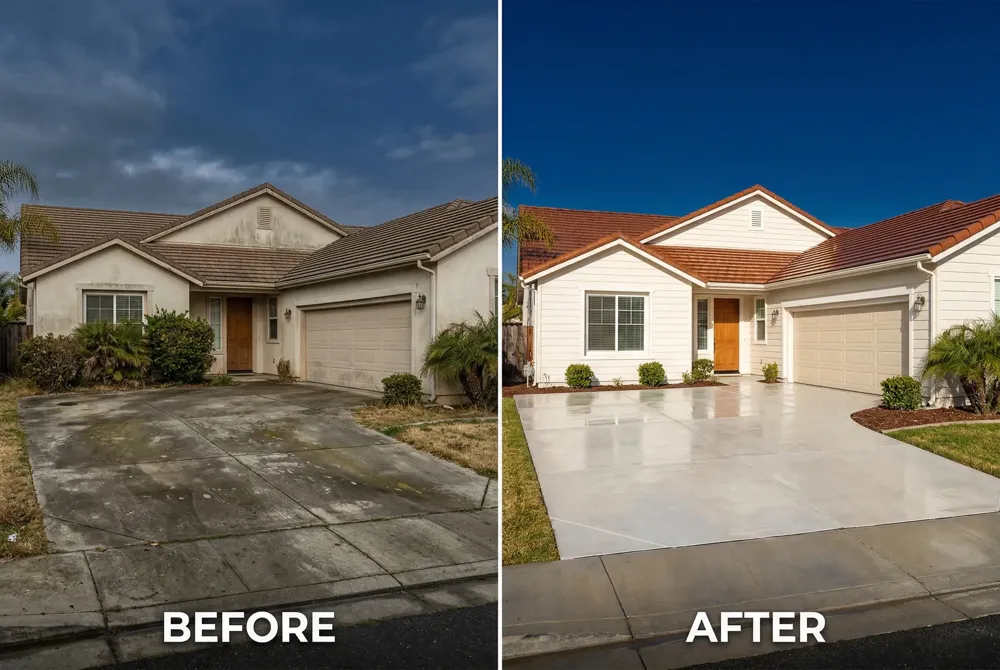
What is a key benefit of using a power washer for surface preparation?
A power washer delivers high‑velocity water that quickly strips away dirt, grime, mold, and loose paint, creating a uniform, clean substrate ready for coating or repair. This rapid removal saves labor time compared with hand‑scrubbing, reduces overall project costs, and eliminates contaminants that cause adhesion failures. The method also uses less water and fewer harsh chemicals, making it an eco‑friendly choice that protects both the property and the environment.
Power wash exterior of house cost
In Santa Barbara County, professional power‑washing of a single‑story home typically runs $0.25‑$0.45 per square foot, or roughly $200‑$400 for an 800‑sq‑ft residence. Two‑story homes cost $0.40‑$0.60 per square foot ($350‑$800). Smaller jobs may be billed hourly ($50‑$150). Hot‑water washes are slightly pricier than cold‑water but remove deep stains more effectively. For an accurate quote, contact local experts such as Goleta Home Services.
How do you prep for pressure washing?
Clear the area: move furniture, cover plants, and protect landscaping.
Tape off or cover electrical outlets, HVAC units, and light fixtures. Inspect and repair loose siding, trim, or cracks to prevent water intrusion. Choose the correct PSI and nozzle for each material, pre‑treat stains with a biodegradable detergent, then test a hidden spot before starting. Wash from bottom to top, overlapping strokes for an even clean.
How to pressure wash a house with vinyl siding
Use a low‑pressure setting (1,500‑2,000 psi) with a wide‑angle or 15° nozzle, keeping the wand 3‑4 ft away. Apply a detergent‑safe solution, let it dwell 5‑10 minutes, then rinse with a higher‑pressure nozzle from top down, maintaining a 45° angle to avoid forcing water behind seams. Finish with a thorough rinse.
Why is proper surface preparation important before finishing?
Proper prep removes contaminants and smooths imperfections, ensuring paint, sealant, or coating adheres securely. This prevents premature peeling, flaking, or cracking, especially in Santa Barbara’s salty, humid climate. Investing time in preparation extends the lifespan of the finish, protects the building envelope, and ultimately saves money on future repairs.
Additional Surface‑Prep Techniques & FAQs
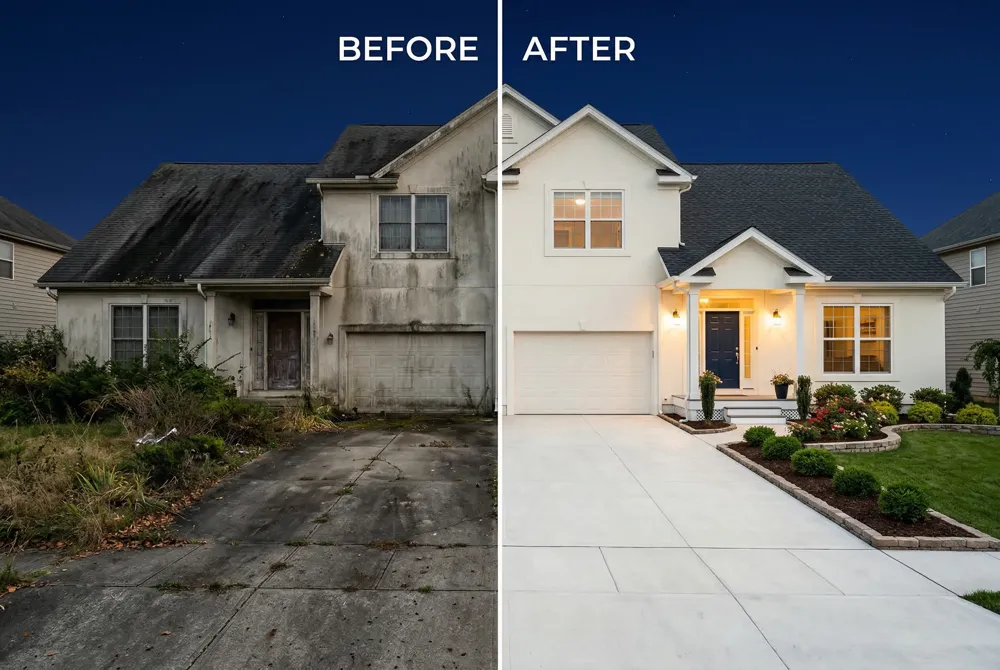
Proper surface preparation is the foundation of any successful exterior cleaning or painting project. It typically begins with mechanical methods—chipping, steel brushing, grinding, or abrasive blasting to remove loose material and create a uniformly roughened profile. Thermal techniques such as flame cleaning can burn away organic residues, while chemical approaches employ biodegradable detergents, solvents, or descaling solutions to dissolve grease, oil, and mold without harming the environment.
Rule of thumb for matching a surface cleaner: provide roughly 1 gallon per minute of water flow for every 4‑5 inches of the cleaner’s width. A 4 GPM washer pairs well with a 16‑20‑inch rotary cleaner; a 5 GPM unit handles 20‑25 inches. Minimum pressure of 2000 psi and 3 GPM is needed for effective rotation.
Sand after washing, not before—wet sand can pack moisture and cause uneven joints. Allow the cleaned surface to dry fully (typically 24‑48 hours in Santa Barbara’s mild climate) before sanding and painting. Premature painting traps moisture, leading to blistering or mold.
Pretreating driveways: apply a biodegradable concrete degreaser or citrus‑based cleaner, let it dwell 5‑10 minutes, scrub, then rinse. This breaks down oil and rust, maximizes pressure‑washer efficiency, and protects the substrate.
Protective measures before washing: cover landscaping with tarps, shield decks and wood with plastic sheeting, tape off trim, and clear debris. These steps prevent overspray damage, runoff contamination, and ensure a uniform, high‑quality clean.
Overall, meticulous preparation—mechanical, thermal, or chemical—ensures that paints, sealants, or coatings adhere properly, extending the life of the exterior and preserving curb appeal.
Final Thoughts: Preparation Is the Foundation of a Great Wash
Before any pressure‑washing job begins, a preparation routine is essential. First, conduct a property inspection to identify material types, cracks, loose paint, and hidden damage. Document issues and repair them—seal gaps, replace damaged siding, and protect landscaping with tarps or breathable covers. Choose the correct pressure and nozzle for each surface, using low‑pressure soft‑washing for delicate vinyl, stucco, or aged wood, and jets for concrete or brick. Test the setting on an inconspicuous spot, apply biodegradable detergent, let it dwell, then rinse from top to bottom while keeping a safe wand distance. Finally, allow the surface to dry—typically 24‑48 hours—before any coating is applied.
When preparation is done correctly, paint, stain, or sealers adhere better, reducing peeling, bubbling, and premature failure. Homeowners enjoy a longer‑lasting finish, lower maintenance costs, and up to a 10 % boost in curb appeal. Commercial properties benefit from reduced downtime and fewer warranty claims.
Goleta Home Services follows these best practices, using EPA‑approved, biodegradable cleaners and calibrated equipment to protect Santa Barbara’s coastal environment. Their crews prioritize safety, damage prevention, and documentation, ensuring every wash lays a foundation for results.