


Why Eco-friendly Gutter Cleaning Matters
Eco‑friendly gutter cleaning protects both your home and the planet. Traditional methods often rely on harsh chemicals, excess water, and disposable debris that pollute waterways and fill landfills. By switching to biodegradable cleaners, manual tools, and proper debris disposal—such as composting leaves and recycling old metal—you reduce chemical runoff, conserve water, and cut greenhouse‑gas emissions. Clean gutters improve drainage, preventing roof rot, foundation damage, and pest infestations that can otherwise require costly repairs. When homeowners adopt sustainable practices, they safeguard local ecosystems, lower utility bills, and extend the life of their exterior systems, adding lasting curb‑appeal value to future generations.
Eco-Friendly Gutter Care Facts
- Biodegradable, plant‑based cleaners such as Gutter Wash and Simple Green Oxy Solve break down naturally and avoid phosphates, chlorine, and synthetic chemicals that can pollute storm drains.
- Manual gutter cleaning tools (scoops, brushes, extendable poles) eliminate the energy demand and emissions of power washers and gas‑powered equipment.
- Composting removed organic debris from gutter cleaning reduces landfill methane emissions and creates nutrient‑rich soil for gardens.
- Installing recycled‑plastic mesh, stainless‑steel micro‑mesh, or biodegradable brush guards can cut cleaning frequency by up to 90 %, conserving water and labor.
- Collecting rainwater during cleaning and using low‑flow nozzles or adjustable wands reduces municipal water use while still flushing gutters effectively.
- Leaf‑blowers with gutter attachments, wet/dry vacuums on extension poles, and telescoping wands allow ladder‑free cleaning, improving safety and lowering carbon footprints.
- Repairing dents, resealing seams with silicone‑based sealants, and recycling old aluminum or steel gutters diverts metal waste from landfills and reduces demand for new production.
- Pruning overhanging trees and planting low‑shedding species decrease leaf and needle fall, naturally keeping gutters clearer between cleanings.
- Professional eco‑friendly services combine manual tools, biodegradable cleaners, and low‑impact water flow, delivering thorough cleaning while protecting the environment.
- Emerging technologies such as solar‑powered vacuums, smart sensor‑linked gutter guards, and compost‑ready scoop bins further reduce water usage, chemical runoff, and waste.
1. Biodegradable Cleaning Products for Gutter Maintenance
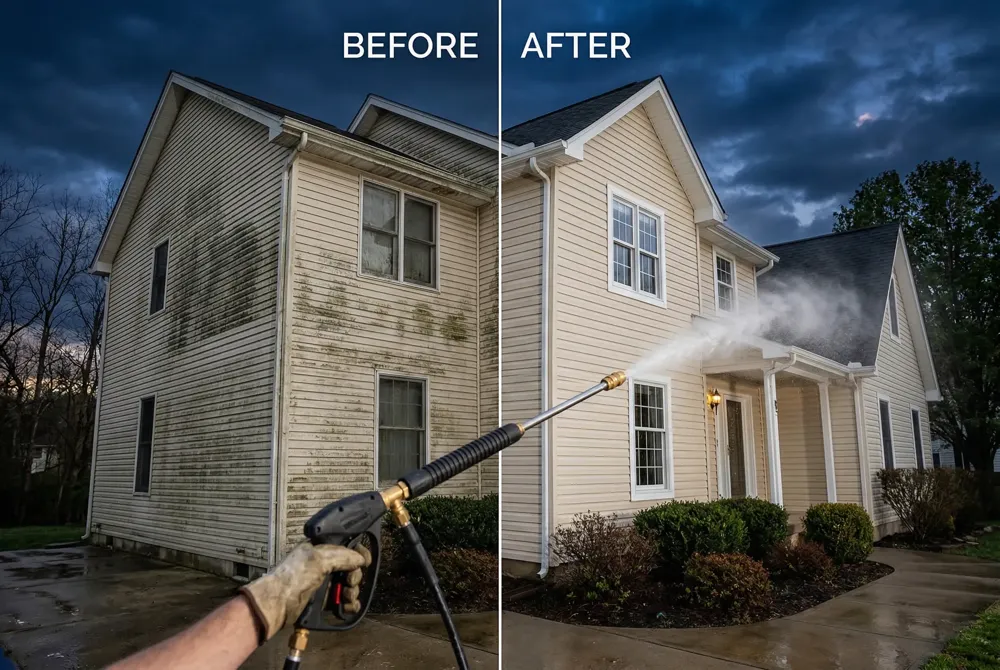
Biodegradable cleaners protect local ecosystems by breaking down naturally after use, eliminating the phosphates, chlorine, and synthetic compounds that can leach into storm drains. Plant‑based formulas such as Gutter Wash and Simple Green Oxy Solve Total Outdoor Cleaner are safe for aluminum, vinyl, and metal gutters while removing black streaks, oxidation, mildew, and algae. These products can be applied with a garden hose, foam cannon, or low‑pressure sprayer, then rinsed with minimal water usage. For a DIY option, mix equal parts white vinegar and water or use an oxygen‑bleach solution; both dissolve grime without harming plants or wildlife. After cleaning, a gentle hose flush clears debris, and any organic material can be composted. Using biodegradable cleaners not only preserves gutter function and curb appeal but also reduces landfill waste and protects nearby waterways, making it a responsible choice for homeowners.
2. Using Manual Tools for Efficient and Sustainable Cleaning

Manual gutter cleaning is the most eco‑friendly approach because it eliminates the energy demand of power washers and the emissions of gas‑powered equipment. By using simple hand tools—such as a sturdy gutter scoop, a stiff‑bristled brush, or a garden trowel—homeowners can remove leaves, twigs, and debris without excess water or chemicals. These tools are inexpensive, reusable, and can be attached to an extension pole to reach higher gutters safely, reducing ladder use and the risk of accidents. To keep gutters naturally clear between cleanings, trim or manage trees that overhang the roof. Regular pruning of large branches and removal of seed‑producing trees prevent excessive leaf fall and blockages. When combined with gutter guards or screens, manual cleaning and strategic landscaping dramatically lower the frequency of deep cleanings, conserving water, energy, and time while preserving the home’s drainage performance and curb appeal.
3. Composting Gutter Debris for Waste Reduction
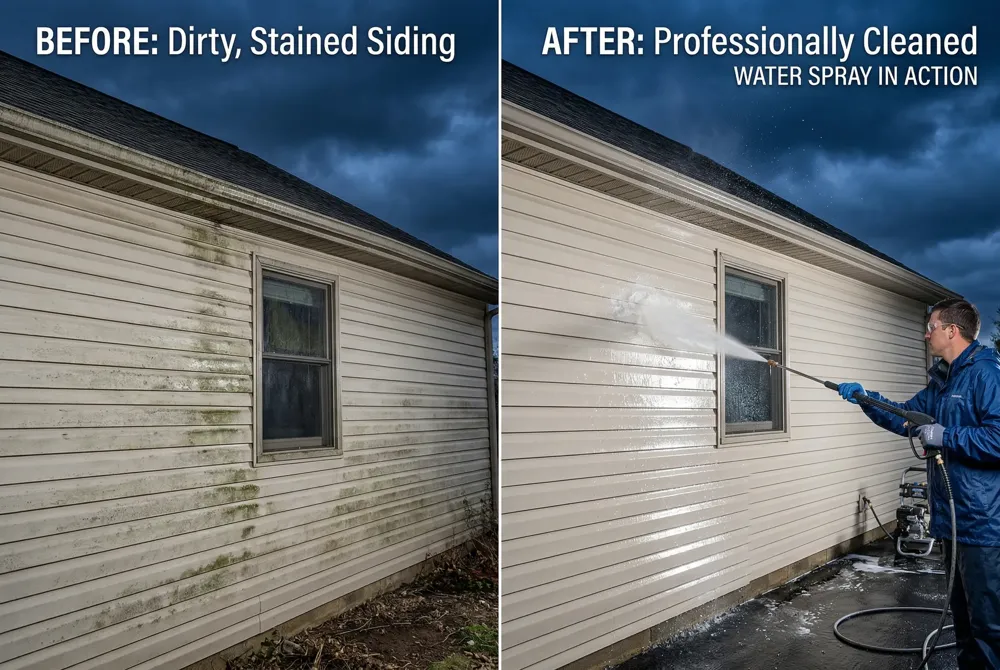
Composting gutter debris turns what would be landfill waste into a valuable soil amendment, delivering several environmental benefits. By diverting leaves, twigs, and other organic material from trash streams, homeowners reduce methane‑producing landfill emissions and lessen the demand for chemical fertilizers. The resulting nutrient‑rich compost improves soil structure, water retention, and plant health, which in turn supports local ecosystems and reduces the need for irrigation.
To compost gutter material, start by separating clean leaves and small twigs from any contaminated or oily debris. Shred larger pieces with a garden shredder or hand‑cut them into 2‑4 inch strips to speed decomposition. Add the material to a backyard compost bin or pile, layering it with brown (dry) and green (wet) components to maintain a balanced carbon‑to‑nitrogen ratio. Keep the pile moist and turn it every few weeks to aerate and accelerate breakdown. After 2‑4 months, the compost will be dark, crumbly, and ready to enrich garden beds, lawns, or potted plants, completing a sustainable loop from gutter cleaning to garden nourishment.
4. Installing Gutter Guards to Minimize Cleaning Needs
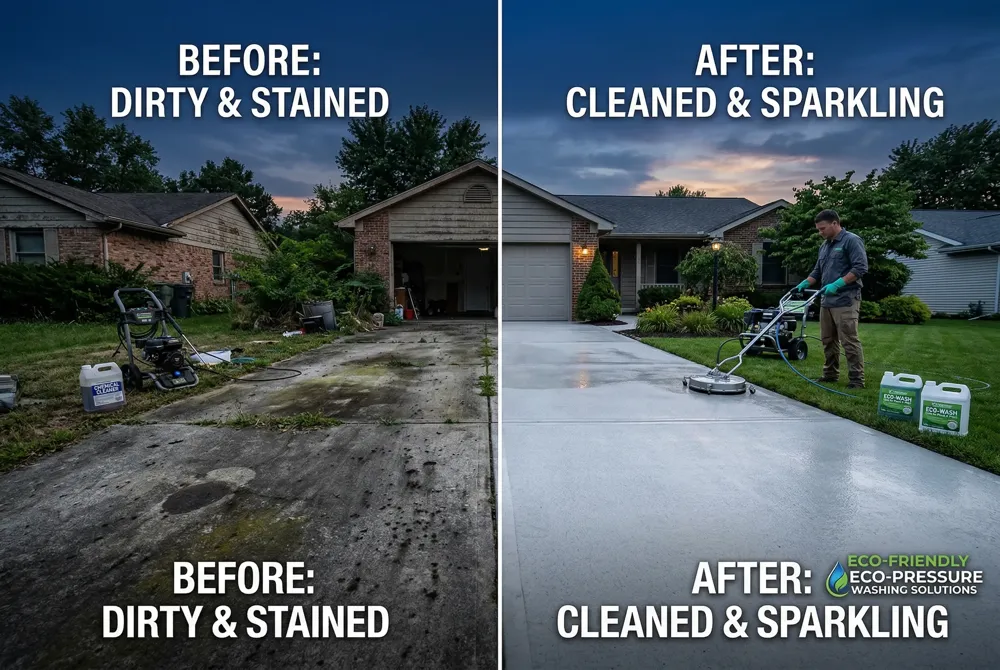
Eco‑friendly gutter guards come in three main types: (1) recycled‑plastic mesh screens that block leaves while allowing water to flow, (2) stainless‑steel micro‑mesh guards made from reclaimed metal for long‑term durability, and (3) brush‑style guards fashioned from biodegradable plant fibers that trap debris without harming the environment. Installing any of these guards drastically reduces clogs, limits pest habitats, and cuts the frequency of manual cleanings, which in turn preserves gutter lifespan and lowers water‑damage repair costs.
What is the easiest way to clean gutters from the ground safely? Use a gutter scoop or cleaning spoon attached to an extendable telescoping pole. The pole lets you reach high gutters without a ladder, and a wet/dry vacuum with a long hose can remove remaining moisture. For stubborn downspout blockages, a garden hose with a plumber’s snake attachment flushes debris from the ground. Clean twice a year (spring and fall) to keep the system functional and protect your home.
5. Water Conservation Techniques During Gutter Cleaning

Collect rainwater during cleaning by placing a bucket or rain barrel beneath a downspout; the stored water can then be used to rinse gutters, reducing demand on municipal supplies. Pair this with adjustable spray nozzles or a low‑flow garden hose wand that delivers a focused stream only where needed, cutting water waste while still flushing debris effectively.
What are the best methods for cleaning gutters without using a ladder?
Using a leaf‑blower equipped with a gutter attachment dislodges loose material from the ground. A wet/dry vacuum attached to an extension pole can suction out clogs and standing water. For tougher blockages, a garden hose fitted with a high‑pressure nozzle—or a pressure‑washer wand held safely from the ground—flashes debris into downspouts. Tools such as the Gutter Sense applicator (tongs on a pole) or a gutter flusher with a pressurized hose provide hands‑free cleaning. Installing durable gutter guards (e.g., mesh or micro‑mesh) further reduces the frequency of cleanings, preserving water and protecting property value. Professional services like Goleta Home Services can combine these low‑impact techniques with biodegradable cleaners for an eco‑friendly, ladder‑free solution.
6. Choosing Hand Tools Over Powered Equipment for Lower Emissions

Gas‑powered leaf blowers, pressure washers and electric‑motor gutter vacuums burn gasoline or draw large amounts of electricity, releasing carbon monoxide, nitrogen oxides and volatile organic compounds into the neighborhood air. In dense suburban settings these emissions degrade local air quality and contribute to greenhouse‑gas buildup. Switching to hand tools—such as sturdy gutter scoops, flexible trowels, and lightweight extension poles—eliminates fuel combustion and cuts energy use, directly lowering a homeowner’s carbon footprint. Manual cleaning also reduces water waste because debris is lifted instead of being rinsed away with high‑pressure streams.
Are there eco‑friendly alternatives to traditional gutter cleaning products and how effective are they? Yes. Biodegradable cleaners based on plant‑derived surfactants, such as Simple Green Oxy Solve or Gutter Wash, dissolve grime without phosphates or chlorine and break down safely in the environment. When paired with manual scoops, brushes, or telescoping wands, these non‑toxic solutions remove leaf buildup, algae and black streaks as efficiently as harsh chemicals, protecting both the gutters and surrounding ecosystems. Professionals like Goleta Home Services combine these green products with low‑impact hand tools to deliver thorough, sustainable gutter maintenance.
7. Repairing and Recycling Old Gutter Materials

Old aluminum, steel, or copper gutters can be a valuable resource rather than landfill waste. Recycling programs in most municipalities accept these metals, and many gutter contractors—including Gutter Maids—offer pick‑up and recycling services that divert hundreds of pounds of material each year. Before recycling, inspect the gutters for dents, rust, or leaks; simple repairs such as resealing seams with a silicone‑based sealant, tightening loose hangers, or replacing small sections with matching material can restore function and extend the system’s life by years. When repairs are no longer feasible, cut the gutters into manageable lengths, remove any attached downspouts, and transport them to a local scrap yard or a curb‑side recycling collection point. By repairing what can be saved and recycling the rest, homeowners reduce waste, lower the demand for new metal production, and protect the environment while preserving the curb appeal and value of their property.
8. Natural Methods to Minimize Debris Buildup

Tree trimming and thoughtful planting are the first line of defense against gutter clogs. By pruning overhanging branches during the dormant months (November‑March), homeowners reduce the amount of leaves, pine needles, and twigs that fall directly into gutters, cutting down the frequency of cleanings. Selecting native, low‑shedding tree species and positioning them away from the roof edge further limits debris. Strategic landscaping—such as creating a buffer zone of groundcover or low‑growth shrubs—captures falling material before it reaches the gutters, while well‑placed rain gardens divert runoff and lessen the load on the gutter system. These natural measures not only protect the home’s drainage and extend gutter lifespan but also support local ecosystems, reducing chemical runoff and landfill waste from composted debris.
9. Professional Eco-Friendly Gutter Cleaning Services
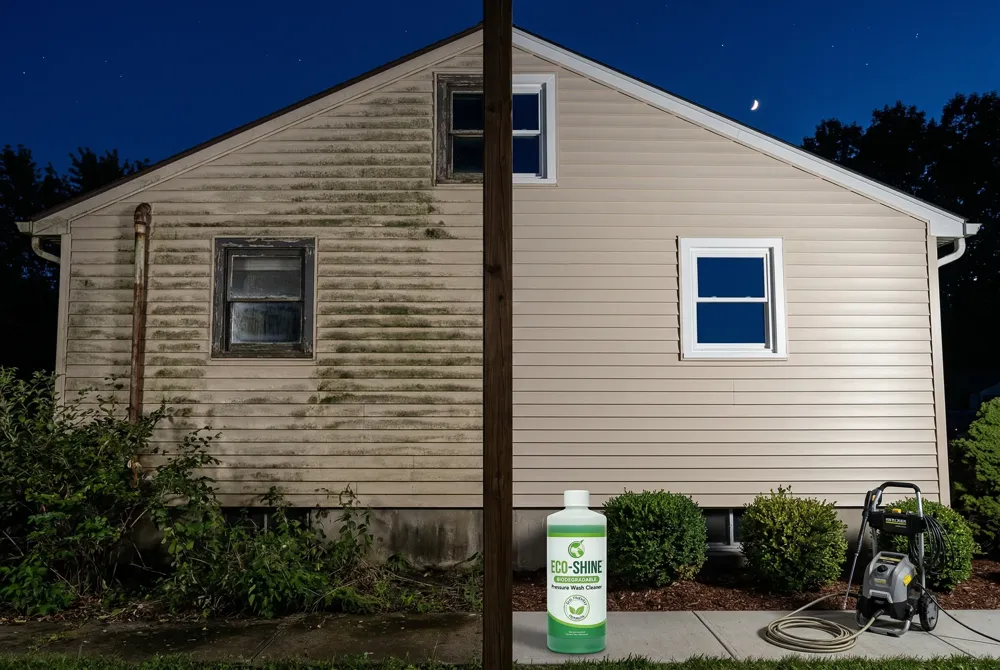
Professional gutter cleaning services, such as those offered by Goleta Home Services, blend sustainable practices with proven efficiency. Technicians start with a thorough visual inspection to pinpoint problem spots, then use manual, hand‑powered tools—gutter scoops, S‑hook buckets, and extendable poles—to lift debris without relying on high‑pressure water or gasoline‑driven equipment. For dry leaves and twigs, leaf‑blower or vacuum attachments are employed, keeping water usage low while still achieving a clean gutter cavity. Safety is built into every step: sturdy ladders, fall‑protection harnesses, and safe distances from power lines protect both workers and the property. After debris removal, the team applies biodegradable cleaners, such as Simple Green or GUTTER WASH, to dissolve remaining grime, then flushes the system with a garden hose set to a modest flow to conserve water. Finally, they inspect for clogs, seal any leaks, and recommend gutter guards made from recycled materials, extending the gutter’s lifespan and reducing future cleaning frequency. This eco‑friendly, expert approach safeguards your home, preserves local waterways, and enhances curb appeal while minimizing environmental impact.
10. Community and Long-Term Impact of Eco-Friendly Gutter Practices

Eco‑friendly gutter cleaning protects local waterways by cutting chemical runoff and reduces landfill waste when organic debris is composted, giving neighbors cleaner streams and richer garden soil. When many households adopt green practices, the cumulative effect lowers community water‑treatment costs and improves air quality by limiting the use of gasoline‑powered equipment. Over the long term, well‑maintained gutters prevent roof rot, foundation cracks, and pest infestations, preserving the structural integrity of entire neighborhoods and sustaining property values.
What are the best gutter cleaning tools available for single‑story properties? For single‑story homes, tools that combine safety, efficiency, and eco‑conscious design are ideal. The Gutter Tool (Bob Vila’s “Best Overall”) attaches to an extension pole for ground‑level cleaning without a ladder. The Orbit Telescoping Gutter Cleaning Wand offers hose‑powered reach up to 70 inches, while the budget‑friendly Amerimax Gutter Getter Scoop handles quick debris removal. For tougher clogs, the Craftsman Wet/Dry Vacuum Kit provides powerful suction, and the Sun Joe Pressure Washer Attachment delivers versatile cleaning and rinsing. Professional services like Goleta Home Services can further ensure thorough, sustainable maintenance in Santa Barbara’s climate.
Expert Answers on Eco-Friendly Gutter Care

What are the best gutter cleaning tools available for single‑story properties?
For one‑story homes, a manual scoop attached to an extendable pole (e.g., the Gutter Tool or Amerimax Gutter Getter) offers safe, ladder‑free debris removal. The Orbit Telescoping Gutter Wand works with a garden hose for low‑pressure rinsing, while a Craftsman Wet/Dry Vacuum Kit can suction out dry leaves. For tougher buildup, a Sun‑Joe pressure‑washer attachment provides efficient rinsing without chemicals.
What is an effective and eco‑friendly solution for cleaning the outside of gutters?
Use a biodegradable cleaner such as a plant‑based formula or a simple 1:1 mix of white vinegar and water. Apply with a soft‑bristle brush, let it dwell briefly, then rinse with a hose or low‑pressure nozzle. For stubborn stains, a professional soft‑wash using non‑toxic agents (as offered by Goleta Home Services) ensures thorough results while protecting waterways.
How do professional gutter cleaning services clean gutters efficiently and safely?
Pros combine manual scoops, extension poles, and stable ladders with fall‑protection gear. They may employ leaf‑blower or vacuum attachments for dry debris and low‑pressure hose flushing for wet material. After cleaning, they inspect for leaks and ensure proper drainage, minimizing damage risk.
What are the best methods for cleaning gutters without using a ladder?
Telescoping wands, leaf‑blower attachments, and wet/dry vacuums on extension poles let you clear debris from the ground. Installing gutter guards further reduces future cleanings.
What is the easiest way to clean gutters from the ground safely?
Attach a scoop or cleaning spoon to a telescoping pole, remove bulk debris, then flush with a hose. A shop‑vac can suction remaining material and moisture.
Are there eco‑friendly alternatives to traditional gutter cleaning products and how effective are they?
Yes—biodegradable cleaners, vinegar solutions, and pressure‑washer or blower tools eliminate harsh chemicals while effectively removing grime. These methods protect plants, soil, and waterways.
How can homeowners keep gutters naturally clear without frequent cleaning?
Trim overhanging branches, prune trees regularly, and consider installing mesh or brush‑style gutter guards made from recycled metal or plastic.
Sustainable Solutions for Gutter Cleaning: What You Need to Know

If height or safety is a concern, telescopic cleaning wands or leaf‑blower attachments let you work from the ground, eliminating ladder risks while still using only a garden hose for a quick rinse. These tools conserve water when equipped with adjustable spray nozzles, and they avoid the fuel emissions of gasoline‑powered vacuums.
Long‑term sustainability hinges on preventing debris buildup. Install recyclable gutter guards—mesh screens made from recycled aluminum or stainless steel—to reduce cleaning frequency by up to 90 %. When debris is removed, compost the organic leaves and twigs instead of sending them to landfill; a single household can divert hundreds of pounds of waste each year and produce nutrient‑rich soil for landscaping.
Professional services like Gutter Maids combine these green tactics: they use manual tools, biodegradable products, and proper debris disposal, delivering clean gutters while protecting your home’s value and the environment.
Community Impact and Long-Term Benefits of Eco-Friendly Gutter Care

Eco‑friendly gutter cleaning does more than protect a single home; it safeguards the entire neighborhood’s environment. Traditional cleaning often relies on harsh chemicals, excessive water use, and improper debris disposal, which can leach phosphates, chlorine, and other pollutants into storm drains and eventually local streams and rivers. By switching to biodegradable cleaners—such as plant‑based formulas approved by the EPA’s Safer Choice program—homeowners prevent toxic runoff that harms aquatic life and contaminates drinking water sources.
Manual cleaning with scoops, brushes, and garden hoses conserves water and energy compared with high‑pressure washers that draw large volumes of municipal water and consume electricity or gasoline. When debris is composted instead of sent to landfills, the organic material becomes nutrient‑rich soil for community gardens, reducing the need for synthetic fertilizers and cutting landfill waste. Recycling old aluminum, steel, or copper gutters further lowers landfill volume and supports a circular economy.
Installing gutter guards or screens made from recycled metal or plastic reduces the frequency of cleanings, meaning fewer trips, less fuel consumption, and lower emissions from service trucks. Collectively, these practices lower community greenhouse‑gas footprints, improve air quality by avoiding gasoline‑powered equipment, and protect local ecosystems from chemical and physical pollution. Over time, neighborhoods that adopt green gutter maintenance enjoy healthier waterways, richer soil, and a stronger sense of environmental stewardship—all while preserving property values and curb appeal.
Innovative Technologies in Eco-Friendly Gutter Care

Green gutter maintenance is evolving beyond manual scoops and basic guards. Emerging technologies now let homeowners protect their homes while cutting water use, chemical runoff, and carbon emissions.
Solar‑powered cleaning tools – Small solar brushes or vacuum units attach to a gutter guard and run on daylight, sweeping leaves and algae without electricity or gasoline. Because they draw only the sun’s energy, they eliminate greenhouse‑gas emissions and lower operating costs.
Biodegradable foam cleaners – Products such as Gutter Wash and Simple Green Oxy Solve are plant‑based, non‑toxic foams that cling to surfaces, lift grime, and rinse away with a garden hose. When diluted (1:2 or 1:4), they clean black streaks and mildew while preventing phosphates and chlorine from entering storm drains.
Smart gutter guards – Recycled‑metal or high‑density plastic mesh screens now feature interlocking designs that block even pine needles yet allow water to flow freely. Some models include sensor‑linked alerts that notify owners when debris buildup exceeds a set threshold, prompting a targeted clean‑up rather than routine over‑cleaning.
Rain‑water capture for cleaning – Portable rain barrels placed under downspouts collect runoff that can later be used to flush gutters with a low‑pressure hose, conserving municipal water and reducing utility bills.
Compost‑ready debris collection – New scoop designs incorporate detachable bins that seal organic material for easy transfer to a home compost system, diverting hundreds of pounds of leaf waste from landfills each year.
Together, these innovations let professional services like Gutter Maids and Goleta Home Services deliver faster, safer, and greener gutter care while extending gutter lifespan, preventing water damage, and boosting curb appeal.
Make the Smart, Eco-Friendly Choice for Gutter Maintenance
Eco‑friendly gutter care combines low‑impact tools, biodegradable cleaners, and smart hardware to protect both home and environment. Key solutions include: manual scoops or telescopic wands that cut water and energy use; plant‑based or EPA Safer Choice cleaning agents that avoid toxic runoff; composting leaf and twig debris to divert hundreds of pounds from landfills each year; installing recycled‑material gutter guards or solar‑powered brushes to reduce cleaning frequency; and recycling old aluminum, steel, or copper sections. Professional services, such as Gutter Maids, amplify these benefits by using certified green products, employing trained crews who safely handle ladders, and ensuring proper debris disposal and recycle,, consistent maintenance stewardshipext quality basin sustainability.